Graduation Bundle: A Designer's Real-World Review
As a professional embroidery designer who has spent years turning digital files into tangible, stitched goods, I approach every new Graduation Bundle with a critical eye. It is not enough for a design to look good on a screen; it must survive the rigors of the machine, the texture of the fabric, and the expectations of a paying customer. This specific bundle falls squarely into the Crafts and Graphics categories, promising a versatile toolkit for anyone looking to capitalize on the seasonal rush of commencements. But does it hold up when you move from the computer to the hoop?
First Impressions: Visual Weight and Theme
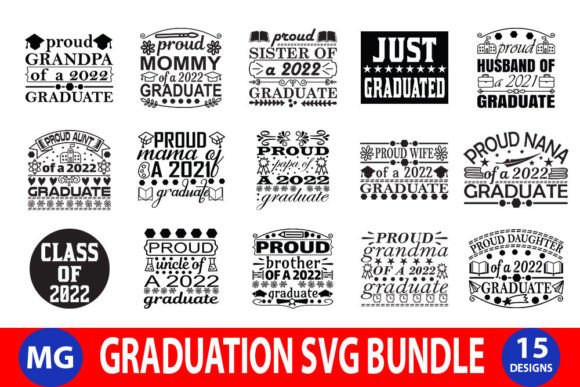
Opening the zip file, the first thing that strikes me is the sheer volume of options. With 15 distinct designs available in SVG, PNG, EPS, and DXF formats, this is clearly positioned as a comprehensive resource for a craft business. Visually, the collection leans towards clean lines and recognizable iconography—mortarboards, diplomas, tassels, and celebratory typography. The mood is upbeat and traditional, which is exactly what clients expect for graduation season.
However, the true test lies in how these graphics translate to thread. In my experience, many digital product sellers offer files that are too intricate for actual stitching. The Graduation Bundle seems to strike a balance, though I would advise checking the vector paths closely before converting them to stitch files. The shapes appear robust enough to handle fill stitch without becoming muddy, but some of the finer details in the text might require careful adjustment depending on your target hoop size.
From Screen to Stitch: A Practical Scenario
To truly evaluate the utility of these assets, let’s walk through a real-world project. Imagine an order for a custom embroidered tote bag for a high school graduate. The client wants a bold statement on the front and a subtle motif on the side pocket. I pull up one of the larger designs from the Graduation Bundle in my digitizing software.
The initial layout looks promising. The design has a strong silhouette, which is crucial for visibility on a canvas tote. However, when I simulate the stitch path, I notice that the tassel elements rely heavily on thin lines. If I were to use a standard running stitch here, the thread might break or look frayed after a few washes. Instead, I would likely convert those areas to a narrow satin stitch column to add durability and shine. This kind of manual tweaking is where the value of having multiple file formats comes into play. The SVG and EPS files allow me to manipulate the vector data before I even think about stitches, giving me the flexibility to optimize the machine embroidery design for the specific weight of the tote fabric.
Navigating Fabric Challenges and Texture
One of the biggest pitfalls in using pre-made embroidery files is ignoring the destination fabric. Graduation gifts often involve varied materials, from heavy cotton sweatshirts to delicate baby onesies. When working with the Graduation Bundle, you must be mindful of stitch density.
If you plan to use these designs on a sweatshirt embroidery project, the looped texture of the fleece can cause issues if the design is too dense. You may need to reduce the underlay or increase the spacing between satin stitches to prevent the fabric from puckering. Conversely, for baby embroidery items like a commemorative blanket or pillow cover, softness is paramount. Here, the Graduation Bundle offers lighter motifs that work well, provided you use a water-soluble stabilizer to keep the stitches flat against the plush surface.
I also recommend testing these designs on scrap fabric first. A design that looks crisp on a white mockup might disappear on a dark navy cap or get lost in the weave of a textured linen apron. Always check your thread colors against the background material. High contrast is key for readability, especially for the smaller lettering often found in graduation bundles.
Commercial Viability for Etsy Sellers and Small Shops
For the Etsy seller or small shop owner, time is money. The ability to quickly adapt a design for different products is a massive advantage. The inclusion of PNG and DXF files in the Graduation Bundle suggests versatility beyond just embroidery machines. These files can be used for laser cutting vinyl, creating printable mockups for your listings, or even as templates for applique design projects.
Imagine creating a line of personalized patches. The clean edges of the vector files make it easy to create a backing template. An embroidered patch featuring a mortarboard and year can become a bestseller if the quality is consistent. However, remember that selling finished goods requires confidence in your finished product. If the stitching is messy or the design distorts on a curved surface like a baseball cap, customer trust erodes quickly. Professionalism in the final presentation directly impacts your brand consistency and buyer engagement.
Strategic Placement and Product Value
Where you place the design matters just as much as the design itself. For custom apparel, center chest placement works well for balanced compositions, while sleeve accents suit smaller, simpler icons from the bundle. Be cautious with layered garments or stretchy fabrics; the tension required to embroider can distort the shape of the design if not properly stabilized. Using a tear-away or cut-away stabilizer appropriate for the fabric type is non-negotiable for maintaining the integrity of the handmade product.
Furthermore, consider the longevity of the item. Graduation gifts are often kept for decades. Designs with excessive fill stitch in tight corners can crack over time, especially on items that undergo frequent washing. Opt for openwork designs or adjust the stitch angle to ensure breathability and flexibility. This attention to detail elevates the perceived value of your work, transforming a simple graphic into a cherished keepsake.
Final Verdict: A Solid Foundation for Creativity
The Graduation Bundle serves as a robust starting point for designers and makers alike. It provides the essential design assets needed to launch a seasonal collection without spending hours creating vectors from scratch. However, its success depends entirely on your ability to adapt it to your specific embroidery project needs.
Do not simply download and stitch. Take the time to review the stitch count, adjust the density, and test on the actual fabric you intend to use. Whether you are making a holiday gift, a boutique product, or a personalized memento, the difference between a good sale and a great one lies in the execution. By treating these files as flexible tools rather than rigid instructions, you can create professional, high-quality results that stand out in a crowded market. Just remember to verify the licensing terms before selling any commercial embroidery items to ensure you stay compliant with the creator's guidelines.