Review: Stitching the 'Fishing is Fun' Design for Real Projects
As a designer who has spent countless hours digitizing and testing embroidery files, I approach every new machine embroidery design with a mix of curiosity and skepticism. We have all been there: you download a file that looks crisp on screen, only to find it turns into a bird’s nest of thread breaks and puckering once it hits the fabric. That is why I took a close look at the Fishing is Fun design to see if it holds up under the needle. This isn’t just about whether the graphic is cute; it is about whether it works as a viable asset for your craft business or next personal project.
First Impressions and Visual Personality
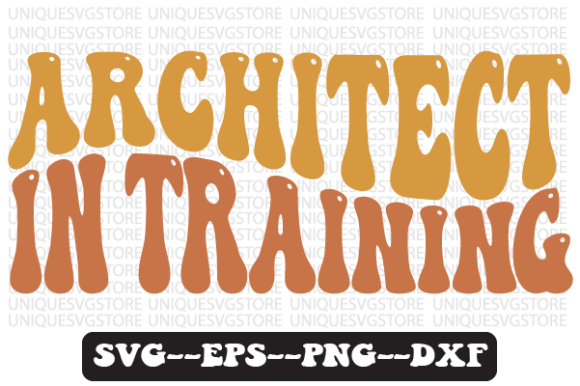
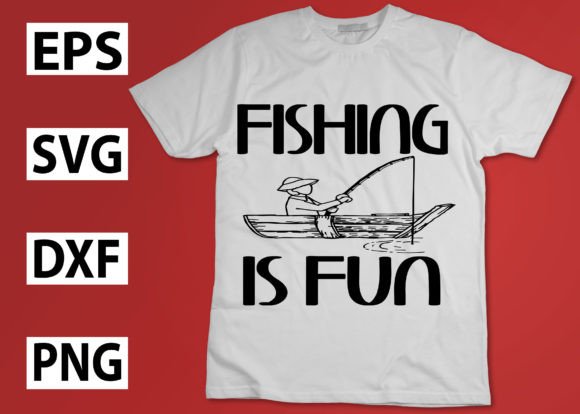
The first thing that strikes you about Fishing is Fun is its relaxed, playful mood. It does not try to be overly technical or hyper-realistic, which is often a trap for beginners in Graphics and Crafts. Instead, it leans into a friendly, approachable aesthetic that appeals to a wide demographic. The layout feels balanced, with a clear focal point that draws the eye without overwhelming the surrounding negative space. For an embroidery project, this is crucial. You want a design that reads well from a distance but still offers enough detail to reward closer inspection.
The theme is timeless. Fishing is not just a hobby; it is a lifestyle for many, making this design a strong candidate for personalized gifts and custom apparel. Whether you are targeting dads, grandparents, or outdoor enthusiasts, the visual personality of this piece suggests leisure and joy. It avoids clutter, which means it translates well across different mediums, from digital previews to physical stitches.
Real-World Application: The Tote Bag Test
To truly evaluate an embroidery file, you have to imagine it on a specific product. I visualized this design stitched onto a heavy canvas tote bag design. Canvas is forgiving, but it requires a design that can hold its own against the textured weave. Fishing is Fun performs well here because the lines are distinct. If you were to use a combination of satin stitch for the text and a fill stitch for any graphical elements, the contrast would pop nicely against a natural or navy background.
This same logic applies to sweatshirt embroidery. A fleece or cotton blend hoodie provides a soft, slightly fuzzy surface. Here, the design’s simplicity becomes its strength. Complex, tiny details often get lost in the pile of a sweatshirt, but the bold nature of this quote ensures legibility. It would make an excellent personalized gift for a fishing trip or a family reunion. For Etsy sellers, this versatility is key. You are not limited to one niche; you can market it as part of a broader outdoor or hobbyist collection.
Navigating Fabric and Hoop Constraints
While the design is versatile, it is not without its limitations. As an experienced reviewer, I must point out where caution is needed. If you plan to use this on stretchy fabrics like performance tees or thin jersey, you need to be mindful of stitch density. High-density areas can cause puckering if not properly stabilized. Always use a cut-away stabilizer for stretchy materials to maintain the integrity of the finished product.
Another consideration is hoop size. While the file formats provided—EPS, SVG, PNG, and DXF—suggest flexibility for various cutting and printing uses, embroidery requires specific scaling. If you are working with a small 4x4 inch hoop, you may need to simplify the design or remove certain elements to ensure it fits without compromising clarity. On curved surfaces like caps, the design needs to be centered perfectly. A slight misalignment on a embroidered patch or hat front is much more noticeable than on a flat towel.
Dark fabrics present another challenge. If you are stitching on black or navy, ensure your thread colors have high contrast. A dark green thread on a black shirt will vanish. Test your color combinations digitally first, but always run a physical test on scrap fabric. This is non-negotiable for professional results.
Commercial Viability and Brand Consistency
For those running a small shop product line or selling on Etsy, consistency is everything. Fishing is Fun fits well into a cohesive brand identity focused on outdoors, leisure, or handmade quality. It does not look generic; it has a hand-drawn feel that adds value to the handmade product. Customers are increasingly savvy; they can spot low-effort designs. This piece feels intentional, which builds trust.
When creating printable mockup assets for your online store, the included PNG and SVG files are invaluable. They allow you to showcase the design on various products before you even stitch a single thread. This saves time and helps you gauge customer interest. However, remember that a digital mockup is not a substitute for a physical sample. Always verify how the design translates to real life, especially regarding fabric texture and sheen.
Practical Designer Notes for Best Results
Before you commit to a large batch of commercial embroidery orders, follow these practical steps:
- Test on Scrap Fabric: Never stitch directly on your final garment. Use a similar weight and type of fabric to check for puckering or thread breaks.
- Check Thread Contrast: Ensure your chosen thread colors stand out against the background. High contrast improves readability and visual appeal.
- Review Stitch Density: If the design feels too dense, consider adjusting the settings in your software to reduce bulk, especially for lightweight fabrics.
- Confirm Hoop Size: Make sure the design fits comfortably within your machine’s hoop, leaving enough margin for stability.
- Inspect Small Details: Zoom in on the digital file. Are there tiny elements that might not stitch out cleanly? Simplify if necessary.
- Verify Licensing: The product description mentions EPS, SVG, PNG, and DXF files. While these are standard for graphics and cutting machines, confirm the license terms for commercial use if you plan to sell finished items. Do not assume unlimited commercial rights without checking.
Final Verdict
Fishing is Fun is a solid addition to any designer’s library. It balances charm with practicality, making it suitable for a wide range of applications from baby embroidery on onesies to rugged holiday embroidery on aprons. It is not just a graphic; it is a functional design asset that can elevate your custom apparel offerings. By paying attention to fabric choice, stabilization, and thread selection, you can turn this simple quote into a high-value product that customers will love. For makers and creative entrepreneurs, it represents the kind of reliable, versatile design that keeps your production flow smooth and your customers happy.