Reviewing I Have the Best Mom Retro Mothers Day for Stitchers
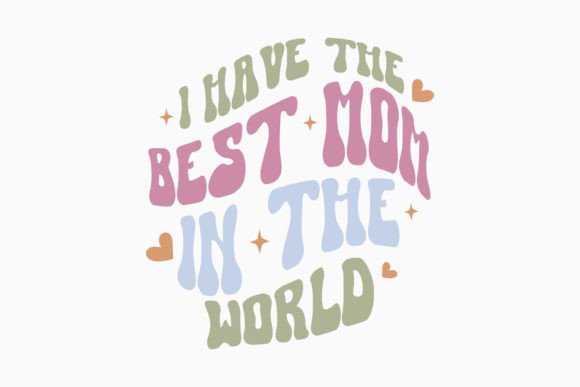
As an embroidery designer who has spent countless hours digitizing and testing files for client work, I approach every new machine embroidery design with a critical eye. It is not just about whether the image looks cute on a screen; it is about how that design translates to thread, fabric, and ultimately, a tangible product that holds up to wear and washing. Recently, I evaluated I Have the Best Mom Retro Mothers Day, a piece of digital art categorized under Crafts and Graphics, to determine its viability for real-world embroidery projects.
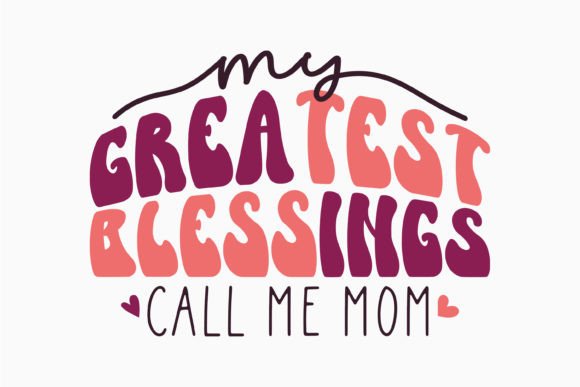
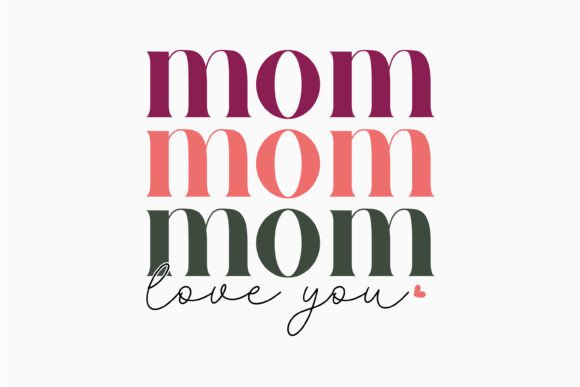
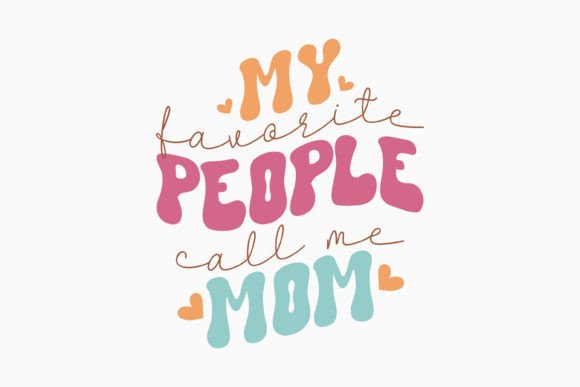
The first impression of this design is its strong retro aesthetic. The typography carries a nostalgic weight that resonates well with current trends in handmade goods. For those of us running small shops or selling on platforms like Etsy, recognizing trend alignment is crucial. This design does not scream "generic holiday clipart." Instead, it offers a stylized look that suggests warmth and appreciation, making it a strong candidate for personalized gifts. However, because the source files provided are EPS and SVG formats at 300dpi, rather than native embroidery formats like PES or DST, there is a significant workflow consideration here that every stitcher must address before hitting the start button on their machine.
From Vector to Thread: The Digitizing Challenge
The product description highlights that this is a "Retro Mothers Day Quote SVG" with easy color changes and high-resolution source files. For a graphic designer creating a poster or a mug wrap, this is perfect. For an embroidery professional, this means the design requires manual digitizing or conversion. This is not necessarily a drawback, but it is a reality check. You cannot simply load an SVG into most home embroidery machines without intermediate software.
When I visualized converting this quote into an embroidery file, I considered the letterforms. Retro fonts often feature thick strokes and rounded terminals. These characteristics are generally friendly to embroidery because they allow for solid fill stitch coverage without excessive density. However, the spacing between letters is critical. If the original vector has tight kerning, you risk thread breaks or bird nests where the needle jumps too frequently between dense areas. My advice is to adjust the spacing during the digitizing phase to ensure clean jumps and minimal trimming.
Real-World Application: The Custom Tote Bag Test
To truly evaluate I Have the Best Mom Retro Mothers Day, I imagined a specific use case: a custom canvas tote bag for a local boutique. Canvas is a sturdy, textured fabric that can handle heavier stitching. In this scenario, the retro quote would serve as the central focal point. Using a stabilizer with medium weight would be essential to prevent the fabric from puckering under the weight of the thread.
The mood of the design fits perfectly here. It is casual yet heartfelt. A customer buying this tote is likely looking for something that feels authentic and handmade, not mass-produced. The retro style adds a layer of vintage charm that elevates the perceived value of the handmade product. If I were stitching this, I would opt for a matte cotton thread to enhance the vintage feel, avoiding shiny polyester threads that might clash with the retro vibe. The ability to change colors easily, as noted in the product features, allows for customization. Imagine this design stitched in mustard yellow and burnt orange on a natural beige canvas—it instantly becomes a stylish accessory rather than just a holiday item.
Fabric Considerations and Stitch Density
While the design works well on sturdy materials like canvas or denim, caution is needed when applying it to delicate fabrics. If you plan to use this on a lightweight baby onesie or a thin cotton t-shirt, the stitch density becomes a major factor. A dense fill stitch on thin fabric can cause pulling and distortion. In such cases, I would recommend using a lighter fill pattern or incorporating running stitch outlines to define the letters without overwhelming the material.
For sweatshirt embroidery, the texture of the fleece or French terry cloth requires a different approach. The loops of the fabric can hide fine details. Therefore, ensuring that the retro font remains bold and legible is key. You might need to increase the size of the design slightly to maintain clarity. Always test on scrap fabric first. This step is non-negotiable. Check how the thread colors interact with the fabric texture. A dark thread on a dark sweatshirt might get lost, so consider using a contrasting thread color or adding a satin stitch border to make the text pop.
Commercial Viability and Brand Consistency
For Etsy sellers and craft business owners, consistency is brand currency. I Have the Best Mom Retro Mothers Day offers a versatile aesthetic that can fit into various product lines. It works for holiday embroidery projects, but its retro style gives it longevity beyond just Mother’s Day. It could easily be adapted for birthday gifts or everyday appreciation items.
However, since the included files are graphics (EPS/SVG) and not ready-to-stitch embroidery files, you must ensure you have the right to create derivative works. Check the licensing terms carefully. If you are selling finished items, confirm that your digitized version complies with commercial use policies. Creating a unique digitization of this graphic can actually become a selling point. You can offer different stitch styles—perhaps a rustic look with visible running stitches for a farmhouse vibe, or a sleek, modern look with tight satin columns for a contemporary feel.
Practical Designer Notes for Execution
Before committing to a full production run, keep these practical tips in mind:
- Test on Scrap Fabric: Always stitch out a sample on the exact fabric type you intend to use. This reveals issues with tension, density, and stabilizer choice.
- Check Thread Contrast: Retro designs often rely on color blocking. Ensure your thread colors have enough contrast against the fabric background to remain legible from a distance.
- Hoop Size Matters: Determine the final dimensions of the design. Ensure it fits comfortably within your hoop size, leaving enough margin for stable hooping.
- Inspect Small Details: If the retro font has intricate swashes or small dots, verify that these elements are large enough to stitch cleanly. Tiny details often turn into messy blobs if not properly sized.
- Mockup Testing: Use digital mockups to visualize the design on different products like tote bag design templates or custom apparel previews. This helps in marketing before you even stitch a single thread.
In conclusion, I Have the Best Mom Retro Mothers Day is a promising asset for designers who understand the bridge between graphic art and textile craft. It provides a strong visual foundation with its retro typography and emotional appeal. While it requires the extra step of digitizing from SVG/EPS formats, this allows for complete creative control over stitch types and density. Whether you are creating a cherished personalized gift or expanding your small shop product line, this design holds potential. Treat it with the technical respect it deserves during the conversion process, and it will reward you with a high-quality, professional-looking finished product that customers will love.