Reviewing Something Creative Everyday Retro Svg for Embroidery
As a designer who has spent years translating digital concepts into thread, I approach every new machine embroidery design with a mix of curiosity and caution. We have all seen files that look stunning on a screen but turn into a tangled mess under the needle. Recently, I evaluated Something Creative Everyday Retro Svg, a piece from the broader world of Crafts and Graphics that promises versatility. My goal was not just to admire the aesthetic, but to determine if it holds up in real-world production for clients and small business owners.
First Impressions and Visual Personality
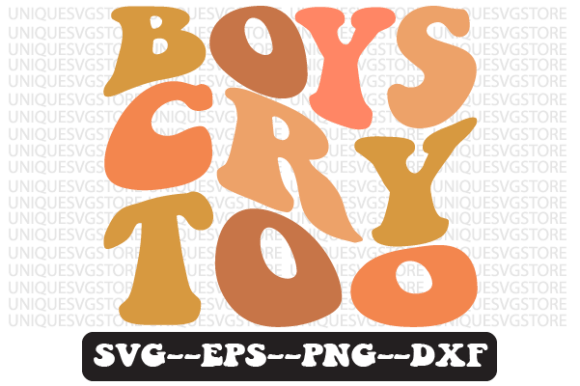
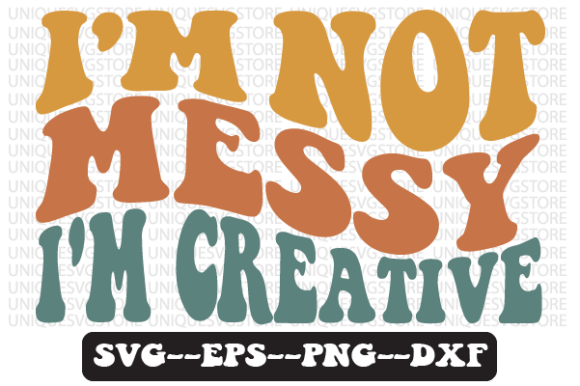
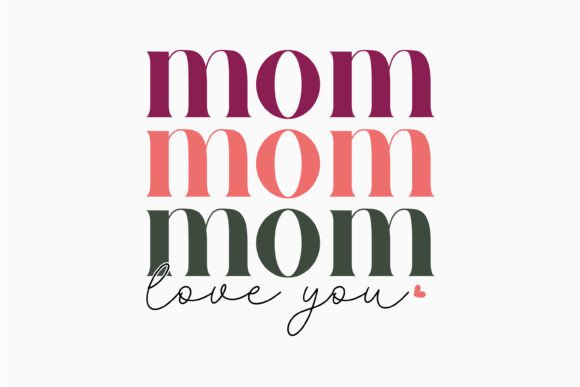
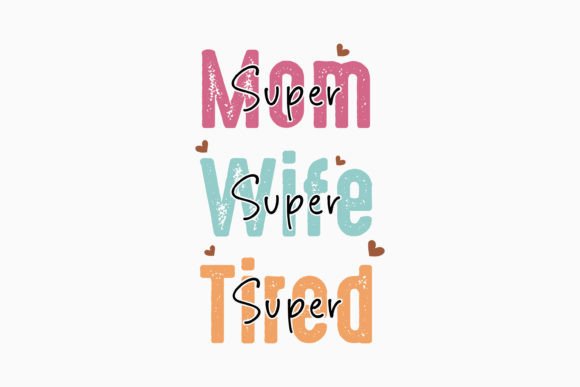
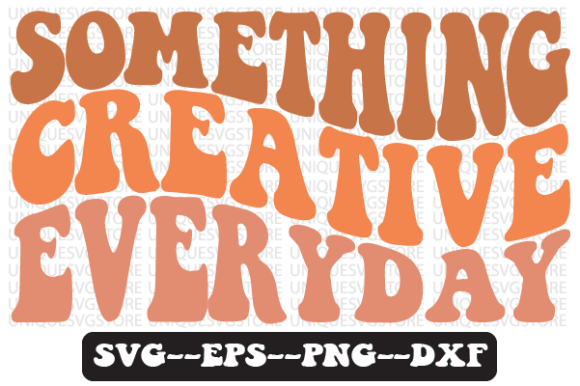
The initial appeal of Something Creative Everyday Retro Svg lies in its nostalgic charm. The retro vibe is currently dominating market trends, appealing to customers who crave comfort and familiarity. Visually, the layout feels balanced, avoiding the clutter that often plagues vintage-inspired art. For an embroidery project, this clarity is crucial. When you are working with thread, negative space is just as important as the stitched areas. This design seems to understand that rhythm, offering open areas that allow the fabric texture to breathe while maintaining strong focal points.
The mood it creates is playful yet polished. It does not scream for attention but invites a closer look. For those of us creating handmade products, this subtlety is a asset. It suggests quality without being overly aggressive, which is ideal for boutique branding where understated elegance often sells better than loud graphics.
Real-World Application: The Sweatshirt Test
To truly test the viability of this design, I imagined a common scenario for many Etsy sellers and craft entrepreneurs: a custom order for a personalized sweatshirt. The client wanted a gift that felt special but wearable daily. I visualized placing Something Creative Everyday Retro Svg on the left chest of a heavyweight cotton blend hoodie.
In this context, the design performs well. The shapes are distinct enough to remain recognizable even when scaled down for a chest logo. However, because the product description notes it is a printable product suitable for sublimation and printing on items like T-shirts, onesies, and hoodies, we must adapt our thinking for embroidery. If you are converting this graphic for stitch work, you need to ensure the lines are thick enough to hold a satin stitch or a clean running stitch outline. Thin, intricate details that work for inkjet printing may break or fray when stitched. I recommend simplifying any ultra-fine lines before digitizing if you are creating your own embroidery file from this source.
Versatility Across Product Lines
Beyond apparel, this design shows promise for various custom apparel and home goods. Consider a tote bag. A tote bag design needs to be bold and durable. The retro aesthetic fits perfectly with the canvas texture, providing a stylish contrast. Similarly, for baby embroidery on onesies, the playful nature of the graphic is a strong selling point for parents looking for unique, non-generic gifts.
For holiday embroidery projects, such as decorative pillow covers or kitchen towels, the design can serve as a central motif. Its adaptability means it can fit into seasonal color palettes easily. Whether you are using warm autumn tones or bright spring hues, the underlying structure of the graphic supports various thread colors. This flexibility is vital for small shop products where inventory variety is key to attracting different customer segments.
Technical Considerations and Stitching Challenges
While the visual appeal is strong, practical execution requires attention to detail. Since Something Creative Everyday Retro Svg originates as a printable and sublimation asset, it may not come with pre-digitized stitch data. If you are digitizing it yourself or hiring someone to do so, pay close attention to stitch density. High-density fills can cause puckering, especially on thinner fabrics like t-shirts or baby clothes. Using a proper stabilizer is non-negotiable here. For stretchy fabrics, a cut-away stabilizer will provide the necessary support to keep the design crisp after washing.
Be cautious with curved surfaces like caps. The design’s layout must be adjusted to account for the curvature of the hat brim or crown. Distortion can occur if the design is too wide or complex. For embroidered patch creation, however, this design could shine. Patches allow for higher stitch counts and denser fills because they are backed heavily and removed from the garment during stitching. This makes them an excellent medium for testing the full potential of the graphic before committing to direct-to-garment embroidery.
Enhancing Brand Value and Customer Trust
From a business perspective, the quality of your design assets directly impacts perceived value. A clean, well-executed embroidery job signals professionalism. When customers see a neat, consistent stitch pattern, their trust in your craft business grows. Something Creative Everyday Retro Svg, when properly adapted, contributes to this perception. It looks intentional and curated, rather than slapped on.
For commercial embroidery projects, consistency is key. If you plan to use this design across multiple product lines, ensure that the scaling remains proportional. A design that looks great on a large blanket might lose its charm if shrunk too small for a pocket logo. Always create printable mockup previews to show customers how the final finished product will look. This manages expectations and reduces return rates.
Practical Notes for Designers and Makers
Before launching this design in your store or using it for a client, follow these steps:
- Test on Scrap Fabric: Always stitch out a sample on the same material you intend to use for the final product. Check for registration issues and thread breaks.
- Check Contrast: View the design in black and white. If the details disappear, you may need to adjust line weights or simplify elements for better stitching clarity.
- Verify Licensing: Since this is a digital embroidery file source or printable graphic, confirm the license terms. Ensure you have commercial rights if you plan to sell physical items featuring this design.
- Hoop Size Compatibility: Determine the minimum hoop size required. Do not force a large design into a small hoop, as this can lead to distortion and machine errors.
- Fabric Texture Match: Consider how the fabric texture interacts with the stitches. Terry cloth, for example, may swallow fine details, requiring a heavier satin border or applique technique.
In conclusion, Something Creative Everyday Retro Svg offers a solid foundation for creative projects. It bridges the gap between trendy aesthetics and practical application. For the embroidery designer willing to put in the prep work—digitizing carefully, choosing the right stabilizer, and testing thoroughly—this design can become a staple in a diverse product lineup. It is not just about having a pretty picture; it is about creating a durable, attractive personalized gift or retail item that stands the test of time and wear. By respecting the technical limits of embroidery while leveraging the visual strengths of the retro style, you can create products that resonate with buyers and elevate your brand.