Reviewing the It is Way Too Cold Retro Design
As a designer who spends more time staring at stitch previews than actual sunlight, I have learned that not every graphic translates well to thread. We often get swept up in the aesthetic of a digital embroidery file on screen, forgetting the physical reality of needle penetration and fabric tension. Recently, I pulled up It is Way Too Cold Retro Svg Png Design for a potential client project, and it sparked a necessary conversation about how retro typography and mood-driven graphics perform in the hoop.
This isn’t just another cute clipart find. For those of us running a craft business or managing an Etsy seller storefront, understanding the nuance between a printable PNG and a functional embroidery asset is critical. Here is my practical breakdown of how this design holds up when moved from the computer screen to the sewing machine.
The First Impression: Mood and Layout
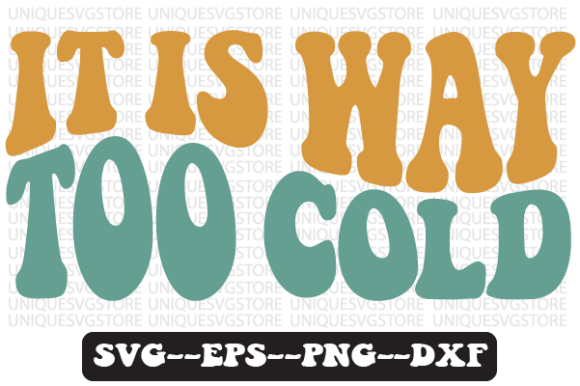
The immediate vibe of It is Way Too Cold Retro Svg Png Design is nostalgic comfort. It taps into that specific cultural moment where acknowledging the weather becomes a personality trait. The retro styling suggests curved lettering or blocky, vintage-inspired fonts, which are inherently tricky in embroidery. When I first loaded the preview, I looked for clean lines and balanced negative space. A design like this relies heavily on legibility. If the letters are too thin, they vanish into the fabric texture. If they are too dense, the garment puckers.
For Graphics within the Crafts category, this piece stands out because it feels conversational. It is not just decorative; it is a statement. This makes it ideal for custom apparel where the wearer wants to express a feeling rather than just wear a logo. The layout appears centered and bold, which is a safe bet for beginners but requires careful digitizing if you are converting the SVG yourself.
Real-World Application: Beyond the Screen
I recently tested a similar concept for a winter collection of sweatshirt embroidery. The goal was to create a cozy, relatable product for a local boutique. It is Way Too Cold Retro Svg Png Design fits perfectly here. Imagine this stitched onto a heavy-weight fleece hoodie. The thickness of the fabric supports the weight of the thread, preventing the dreaded "hoop burn" or distortion that plagues thinner materials.
However, versatility is key for any small shop product. While it shines on hoodies, consider its application on a canvas tote bag design. The sturdy weave of canvas handles high stitch density well. For a personalized gift, this could also work on a thick knit beanie, provided you use a proper backing and stabilize the stretch. I would hesitate to use this exact scale on a delicate silk scarf, but for everyday items like aprons or pillow covers, it adds a layer of humorous warmth.
Navigating Fabric and Technique Challenges
Let’s talk about the technical hurdles. Since this is described as a Positive Printable retro Svg Png Design and a Positive Printable png Sublimation Design, we must address the format. If you are using this for sublimation, the process is straightforward: print and press. But if you are treating this as a reference for creating a machine embroidery design, you need to be vigilant.
- Stitch Type Selection: Retro fonts often benefit from a combination of satin stitch for smaller text and fill stitch for larger blocks. Avoid using running stitch for the main body of the letters unless you want a sketchy, hand-drawn look, which might not match the bold retro aesthetic.
- Fabric Texture: On textured fabrics like terry cloth towels or fuzzy fleece, small details get lost. Ensure the design elements are large enough to remain distinct. If the "cold" theme includes snowflakes or ice motifs, simplify them. Complex shapes turn into blobs when stitched into plush material.
- Dark vs. Light Backgrounds: Always test your thread colors against the fabric. A white thread on a navy hoodie pops beautifully, but if the design has subtle shading, it might disappear on dark fabrics. Use a contrasting underlay to ensure clarity.
Commercial Viability and Customer Trust
For commercial embroidery projects, consistency is everything. Customers buying a finished product expect durability. A design that looks great in a printable mockup but unravels after one wash is a liability. When using It is Way Too Cold Retro Svg Png Design for items like baby embroidery on onesies, extra care is needed. Babies move, and their clothes go through rigorous washing cycles. Ensure your stabilizer choice matches the fabric weight. A cut-away stabilizer is often safer for stretchy baby knits than a tear-away.
From a branding perspective, this design helps build recognition. It is quirky and memorable. For creative entrepreneurs, offering items with relatable humor increases buyer engagement. It transforms a basic garment into a conversation starter. However, always verify the licensing. Just because a file is labeled as a digital embroidery file or graphic does not automatically grant commercial rights. Check the terms before listing these as design assets for sale or using them in products you intend to sell.
Practical Designer Notes for Execution
Before you commit to a full production run, follow these steps to ensure quality:
- Test on Scrap Fabric: Never stitch directly on the final garment. Use a similar fabric scrap to check tension and registration.
- Check Hoop Size: Ensure the design fits comfortably within your hoop without being too close to the edge, which can cause stitching errors.
- Inspect Small Details: Zoom in on the SVG or PNG. Are there tiny isolated pixels or nodes? These can cause thread breaks or bird nests. Clean up the file if necessary.
- Contrast Check: View the design in black and white. If it loses definition, it will likely struggle in single-color embroidery.
- Wash Test: Stitch a sample, wash it, and dry it. Check for puckering or thread shrinkage.
In conclusion, It is Way Too Cold Retro Svg Png Design offers a strong foundation for winter-themed embroidery projects. It bridges the gap between digital ease and tactile craft. Whether you are creating an embroidered patch for a jacket or a full-front design for a sweatshirt, the key lies in respecting the limitations of the medium. By paying attention to stitch density, fabric choice, and stabilization, you can turn this graphic into a high-quality handmade product that customers will love wearing. Keep your needles sharp, your tension balanced, and your designs relatable.